Wellness
The Complete Guide to Choosing Candles for Relaxation and Self Care
July 9, 2026 · 9 min read
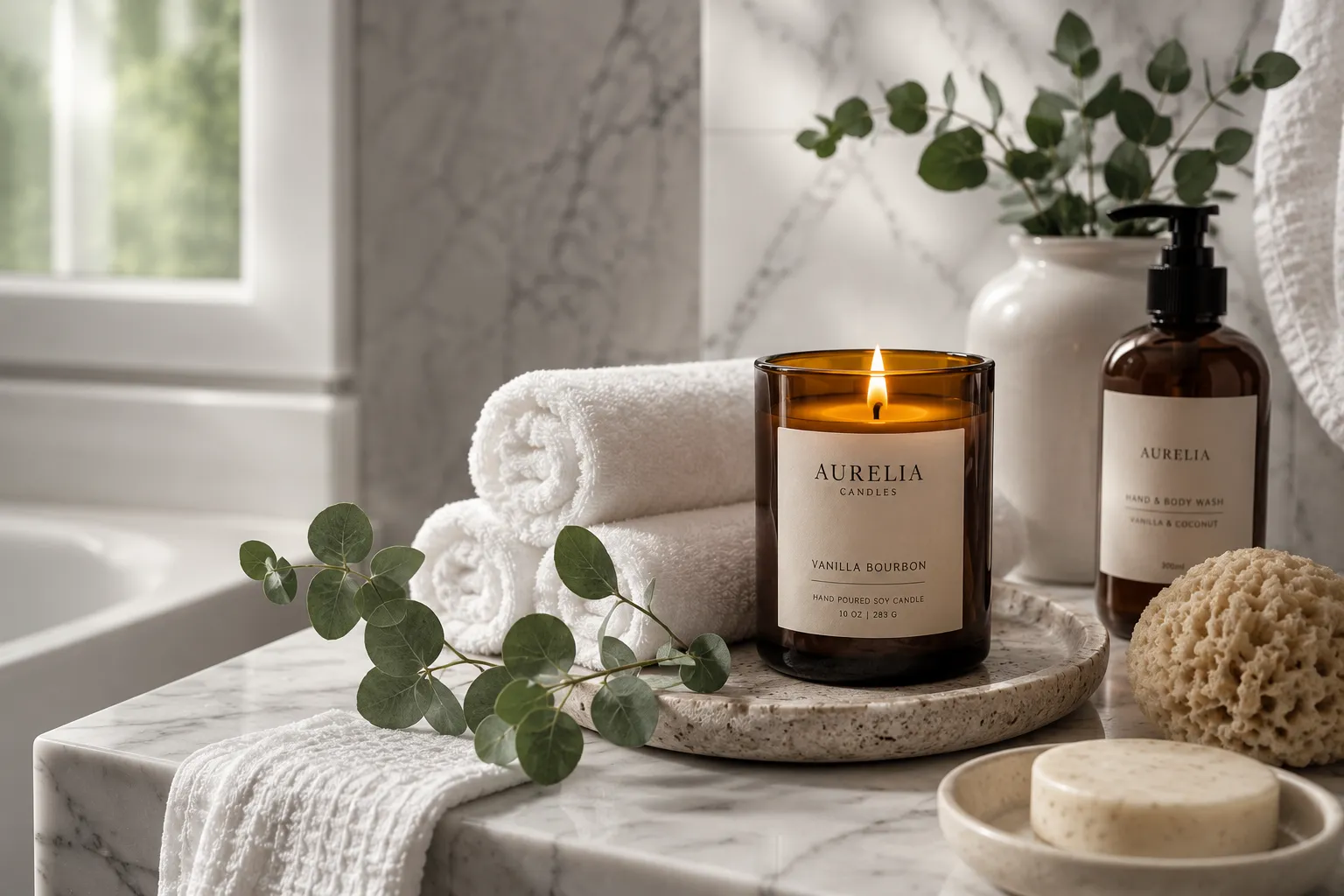
A candle lit at the right moment can genuinely shift your mental state. This is not wellness marketing — it is how your nervous system processes fragrance and light. The right candle in the right setting reduces cortisol, lowers resting heart rate, and signals to your brain that the demanding part of the day is finished. This guide explains which scents produce which effects, how to build a candle-based self-care ritual that actually works, and what to look for when buying candles specifically for relaxation rather than decoration.
Self care gets a lot of cultural noise, but the core idea is simple: deliberate practices that restore your ability to function and feel well. Candles belong in this category not because they are luxurious accessories but because they activate real, documented neurological responses. Lavender does reduce anxiety. Warm light does signal rest to your circadian system. Familiar, pleasant scents do lower the stress response. Building these inputs into your routine is a practical act, not an indulgence.
The science of scent and relaxation
Fragrance reaches the brain faster and more directly than any other sense. The olfactory nerve connects directly to the limbic system — the region governing emotion, memory, and the stress response. When you smell something calming, your brain initiates a series of responses: reduced amygdala activity, lowered cortisol, slowed breathing, and decreased muscle tension. These are measurable physiological events, not just feelings.
The warm, soft light of a candle flame works on a complementary pathway. Exposure to warm, low-level light in the evening suppresses cortisol and reduces the neural stimulation associated with alertness, supporting the transition from active to resting state. Combining calming fragrance with warm flame light creates a multi-sensory relaxation input significantly more effective than either element alone.
Best candle scents for relaxation and self care
Different fragrance categories produce different physiological effects. Choosing the right scent for the outcome you want is more precise than simply choosing something that smells nice.
Lavender: the evidence-based choice
Lavender is the most thoroughly researched fragrance for relaxation and stress reduction. Multiple clinical studies confirm that lavender aromatherapy reduces state anxiety, lowers cortisol by measurable amounts, improves sleep quality, and decreases resting heart rate. A 2015 study in Evidence-Based Complementary and Alternative Medicine found lavender inhalation before sleep improved sleep-quality scores in healthy adults. For routines aimed at winding down and improving sleep, lavender is the first and best choice.
Chamomile: gentle and non-intrusive
Roman chamomile has a softer, sweeter profile than lavender and a similarly calming effect — an excellent choice for people who find lavender too medicinal. It blends beautifully with lavender, vanilla, and soft florals, and candles that combine chamomile with honey or light tonka bean are particularly effective for evening relaxation. The scent is gentle enough to burn for extended periods without causing olfactory fatigue.
Sandalwood and cedarwood: grounding and centering
Woody, earthy scents like sandalwood and cedarwood have a grounding effect that differs from lavender's sedative quality. Rather than creating drowsiness, they produce a sense of being settled and present — useful for meditation, journaling, or any practice that requires alert calm rather than pre-sleep relaxation. Sandalwood has been used in meditation across cultures for centuries. Our crystal candle is a favorite for a grounding evening ritual.
Vanilla: warm and mood-lifting
Vanilla has a well-documented mood-elevating effect — research in Chemical Senses found vanilla fragrance reduced startle responses and anxiety measures in human subjects. Unlike lavender, which is primarily calming, vanilla has a gentle uplifting quality that suits routines about restoration and pleasure rather than strictly winding down. It pairs beautifully with sandalwood, light florals, and subtle citrus, and is one of the most universally welcomed self-care scents.
Eucalyptus: clarity and stress relief
Eucalyptus is more clearing than calming — excellent for practices involving physical tension relief, like a bath or a stretching session after a demanding day. The compound 1,8-cineole in eucalyptus oil has been shown to reduce mental fatigue and stress. It is not a sleep-promoting scent, but it is highly effective for the active, restorative phase of a routine before you move into wind-down.
Bergamot: anxious-energy relief
Bergamot — the citrus that gives Earl Grey its scent — is particularly effective for the racing-thoughts, anxious-energy type of stress. It is light enough not to feel heavy in warm air and uplifting without creating drowsiness. A 2015 clinical trial in Phytotherapy Research found bergamot aromatherapy reduced anxiety and fatigue in patients before surgery. For daily use it works well in pre-relaxation routines and layers under heavier evening scents as the night progresses.
Building a self-care candle ritual
A candle ritual does not require elaborate setup — it requires consistency and intention. The three components that make it effective rather than decorative are a consistent scent, a specific time and context, and the absence of competing stimuli during the session. Choose one scent for your primary ritual rather than rotating randomly. Burn it at the same time each evening — bath time, reading time, or the 30 minutes before sleep. And resist burning your relaxation candle while scrolling your phone; give it at least a few minutes of deliberate attention at the start.
What to look for when buying relaxation candles
For self-care specifically, the purity of the fragrance matters more than in decorative candles — you are breathing it deliberately and closely. Choose candles with phthalate-free fragrance oils or pure essential oils, natural wax, and cotton wicks, and avoid vague ingredient labels in this context. Quality relaxation candles come from makers who are transparent about every ingredient — you can see Aurelia's full range in our scented candle collection.
Frequently Asked Questions
Do candles really help with relaxation or is it just placebo?+
The effect is documented and measurable, not placebo. Lavender, chamomile, bergamot, and sandalwood have all been studied in controlled trials and shown to produce physiological changes including reduced cortisol, lowered heart rate, and reduced anxiety scores. The warm light of the flame also affects alertness and cortisol independently of fragrance. The combined effect is real and repeatable.
What is the best candle scent for anxiety?+
Lavender has the strongest evidence for anxiety reduction. Bergamot is particularly effective for anxious, racing-thought stress, and sandalwood or vetiver help with grounding when anxiety comes with feeling scattered. Try two or three in your relaxation context and notice which produces the strongest response — individual variation is normal.
Can candles help with sleep?+
Yes, especially as part of a consistent pre-sleep ritual. Lavender has the most direct evidence for sleep improvement. The ritual itself matters too — any consistent calming activity at the same time each night trains your body for sleep onset. Light a lavender candle 30 minutes before bed, let it burn during a calming activity, then extinguish it safely; never sleep with a candle lit.
How long should I burn a relaxation candle?+
Thirty to sixty minutes is ideal — long enough to establish the fragrance and benefit from the light, but short enough to avoid olfactory fatigue, the point at which your brain adapts and stops registering the scent. Always extinguish the candle safely before bed.
Are essential oil candles better than fragrance oil candles for relaxation?+
Not necessarily better, but different. Pure essential oil candles deliver active compounds in natural form and are preferred in therapeutic contexts, but often have a softer throw. Well-formulated phthalate-free fragrance oil candles deliver a stronger room scent and are safe for daily relaxation. For a dedicated aromatherapy practice, essential oil candles from transparent makers are a strong choice; for everyday relaxation, a quality phthalate-free fragrance candle is equally effective.