Living
How Scented Candles Can Transform Your Living Space
July 11, 2026 · 8 min read
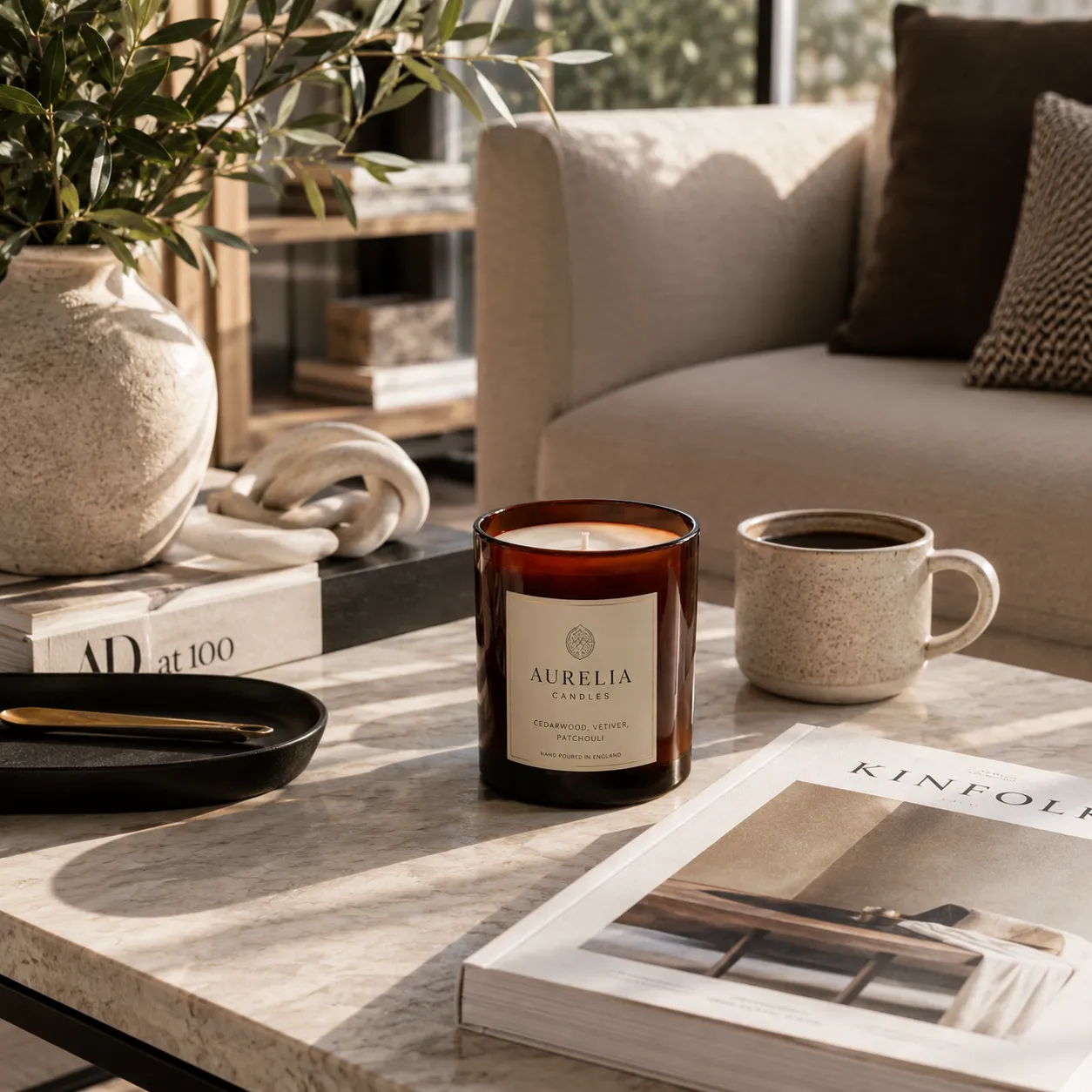
There is a reason you remember the smell of your grandmother's house, your childhood bedroom, or the lobby of a hotel that made you feel instantly at ease. Scent is the most memory-linked of the senses, processed directly through the brain's limbic system — the region that governs emotion and memory. Scented candles tap directly into this system. This article explains how fragrance transforms the atmosphere of a living space, the science behind why it works, and practical ways to use candles to make your home feel exactly the way you want.
Most people think about home transformation in terms of furniture, lighting, and color. Scent is the element that finishes the picture. A beautifully designed room that smells stale or chemical feels wrong in a way that is hard to name. A simply furnished room with the right candle burning feels warm, intentional, and alive. This is not marketing — it reflects documented neuroscience about how human perception integrates sensory inputs into an overall experience of space.
The science behind scent and atmosphere
The olfactory nerve is the only sensory pathway that connects directly to the amygdala and hippocampus — the brain structures responsible for emotion and memory. Every other sense passes through a relay station called the thalamus first. Scent bypasses it entirely, which is why a fragrance can trigger a fully formed emotional memory almost before you consciously register what you are smelling.
This direct neural connection is what gives scented candles their power to genuinely transform a space rather than just add a pleasant smell. Research published in the journal Chemical Senses has confirmed that ambient fragrance affects mood, stress levels, cognitive performance, and behavior. Lavender reduces anxiety; citrus elevates mood; vanilla induces calm. These are not just pleasant side effects — they are neurological responses with measurable physiological correlates. Our guide to fragrance notes from top to base explains how a scent's layers unfold over a burn.
Five ways scented candles transform your living space
The transformation works on five distinct levels, each contributing to the overall experience of being in a room.
Creating an emotional signature for your home
Just as hotels use signature scents in their lobbies to build emotional association, your home can have its own fragrance identity. A consistent scent in your living room becomes the smell of home — familiar, welcoming, and uniquely yours. Over time you and your family build a positive association with it, and guests register it as part of what makes your home feel good, even if they cannot say why. It is one of the most powerful and underused aspects of home fragrance.
Shifting the mood of a room in minutes
Lighting and furniture take investment and effort to change. A candle changes a room's mood in under five minutes. A kitchen that smelled of garlic and onion becomes a relaxed evening space with a clean citrus or warm vanilla candle. A sterile home office becomes a reading nook with soft sandalwood burning. The fragrance does not change the physical space — it changes how you feel in it, and that changes how you use it.
Anchoring daily rituals
Scented candles are especially effective tied to specific rituals. A morning candle with peppermint or citrus signals the day is beginning; an evening candle with lavender or chamomile signals it is ending. This is about using scent to trigger the neurological state you want — the same reason athletes use pre-performance rituals. Scent-anchored routines build reliable psychological associations your brain begins to lean into automatically. See our golden hour ritual guide for one to borrow.
Improving how long you stay in a space
Research on retail environments consistently shows that pleasant ambient scent increases the time people spend in a space, and the same applies at home. A living room with a beautiful candle burning is a room you are more likely to sit in, relax in, and enjoy — rather than pass through. It is one of the more pragmatic arguments for good home fragrance: it actually changes how you inhabit your home.
Complementing visual and acoustic design
A candle at night does something no overhead light can — it adds warmth, shadow, and movement to a room. The soft glow of the flame changes the visual atmosphere as much as the fragrance does. Combined with quiet music or ambient sound, a quality candle creates a multi-sensory experience that feels complete in a way a bright overhead light and neutral air simply do not. It is why restaurants and spas use candles deliberately.
Choosing the right candle for the transformation you want
The fragrance you choose sets the direction. Warm, sweet scents like vanilla, amber, and sandalwood create comfort and security. Fresh, clean scents like sea salt, white tea, and eucalyptus create calm clarity. Bright citrus scents like lemon, grapefruit, and bergamot create alertness and positive energy. Florals like jasmine, rose, and gardenia create romance and softness. Decide how you want a room to feel first, then choose the scent category that supports it — you can browse by mood in our scented candle collection.
Practical tips for maximum impact
Three things determine how effectively a candle transforms a space: where you place it, how often you burn it, and whether the size matches the room. Place candles at nose height or slightly below — on a coffee table, side table, or low shelf — so fragrance disperses where people sit. Burn consistently enough that the scent becomes part of the room's identity rather than a special-occasion smell. And match wick count to room size so the fragrance fills the space. To get the longest, cleanest burn from every candle, follow our guide on how to burn a candle properly.
Frequently Asked Questions
How quickly does a scented candle change the atmosphere of a room?+
Most quality candles begin releasing fragrance within five to ten minutes of lighting, and a full scent throw that fills the room typically takes 20 to 30 minutes depending on room size and wick count. If you want a room ready for guests, light the candle about 30 minutes before they arrive rather than at the door.
Why do I stop noticing my candle scent after a while?+
This is olfactory fatigue, or nose blindness — your brain adapts to a constant background stimulus and stops bringing it to your attention, the same reason you stop noticing your own home's smell. Rotating between two or three scents prevents it, and stepping outside briefly then returning resets your nose.
Can candle fragrance really affect mood?+
Yes, and it is well documented. Lavender has been shown to reduce anxiety and lower cortisol, peppermint to improve alertness, and citrus to increase positive energy. These reflect direct neurological pathways between olfactory processing and emotional regulation. The magnitude varies between people, but the directional effect is consistent across studies.
Is it safe to burn candles every day?+
Yes, with basic precautions: trim the wick to about ¼ inch before each burn, never burn longer than four hours at a stretch, keep candles away from drafts and flammables, and burn in a ventilated room. Choosing natural-wax candles with cotton wicks gives the cleanest daily burn.
How many candles do I need to make a difference in a room?+
One well-chosen candle is enough for a small-to-medium room. For an open-plan space over 200 square feet, use two well-placed candles or one large three-wick candle. The key variable is combined wick capacity relative to room size, not the number of candles — a properly sized candle in the right spot transforms the room immediately.