Guides
How to Choose the Perfect Candle for Every Room in Your Home
July 12, 2026 · 8 min read
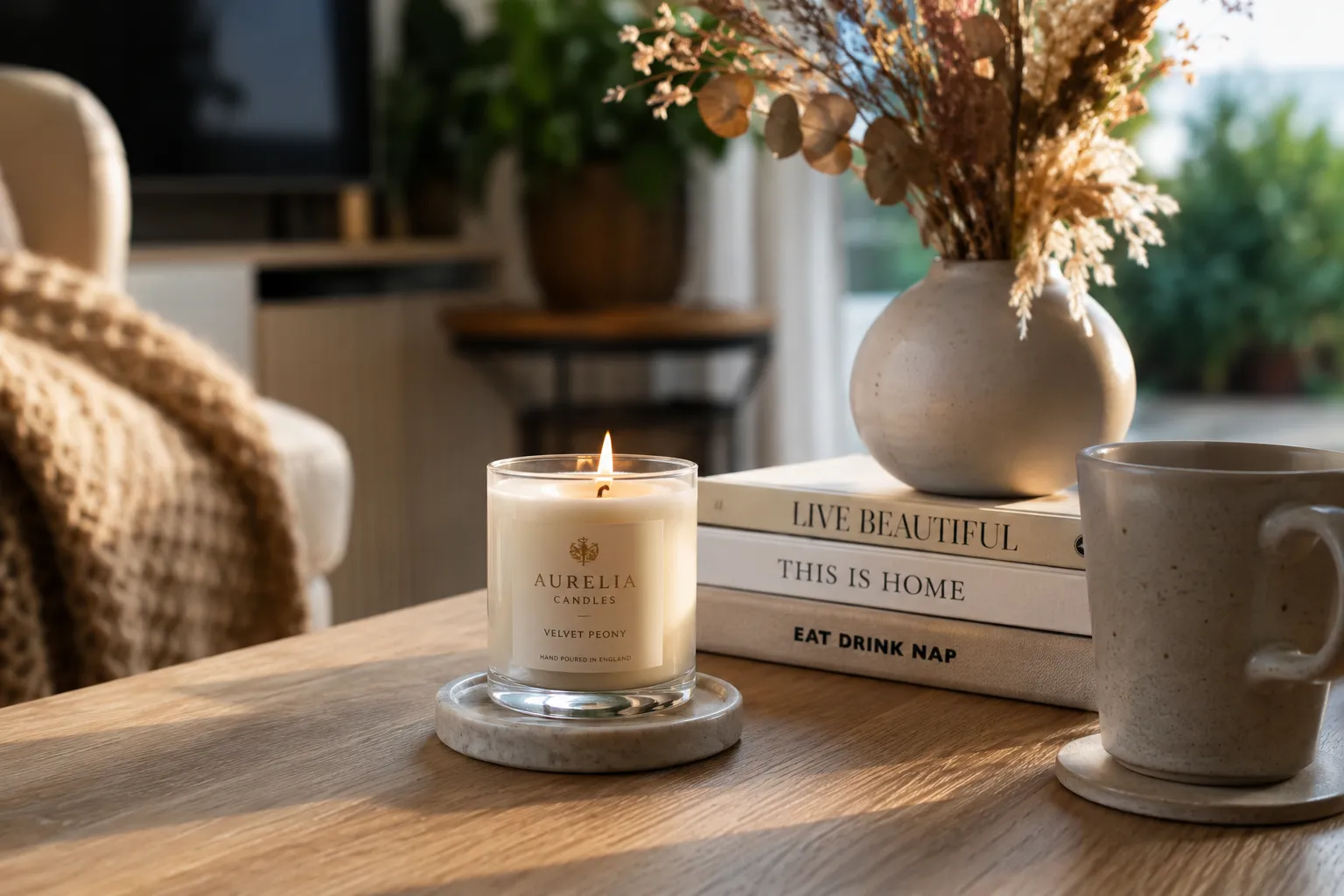
Every room in your home has a different purpose, a different mood, and a different relationship with fragrance. The candle that creates a perfect atmosphere in your living room can feel completely wrong in your bedroom. This guide walks through how to choose the right candle scent for each room, what size and burn time to look for, and how to layer fragrance so your home feels cohesive without being repetitive.
Most people grab whatever candle smells good in the store and light it wherever they feel like it. That works, but it leaves a lot of potential on the table. Fragrance has a documented effect on mood, focus, and relaxation — matching the right scent to the right space is a small thing that makes a genuine difference to how a room feels, and how you feel in it.
What to think about before you choose a candle
Room size, ventilation, and the activity that happens in a space matter most. A small bathroom needs a lighter scent than an open-plan living room. A kitchen already has competing aromas from cooking, so a subtle candle often works better than a bold one. And a bedroom, where you are winding down toward sleep, should never have a stimulating or sharply citrusy fragrance burning an hour before lights out. Burn time matters too: a candle for a room you use occasionally has different needs than one lit for four hours every evening.
Best candle scents for every room
Each room has a personality. The scents below are chosen to support what each room is actually used for.
Living room: welcoming and versatile
The living room is the room guests experience first and where most of daily life happens. It needs a scent that is welcoming without being overwhelming — medium-weight fragrances like warm vanilla, sandalwood, cashmere, soft amber, or fig read as sophisticated without being sharp or polarizing. Avoid very heavy musks or loud florals here, as they divide opinion and can feel cloying after a long burn. A warm, universally liked classic like our Mason Jar Candle is a safe living-room anchor.
Bedroom: calming and sleep-friendly
Your bedroom is where your body prepares for rest, so scents should support that rather than interfere. Lavender is the well-documented choice — studies link it to lower heart rate and improved sleep quality. Chamomile, soft cedarwood, warm sandalwood, and lightly sweetened vanilla are also excellent. Avoid sharp citrus top notes, strong peppermint, or eucalyptus, which are mentally stimulating and make it harder to wind down. Our guide to candles for relaxation and self care goes deeper on sleep-supporting scents.
Bathroom: fresh and clean
Bathrooms benefit from fresh, clean scents that belong in the space rather than mask something. Sea salt, eucalyptus, spearmint, white tea, and fresh linen all work extremely well, as do green and herbal notes like basil and cucumber. Keep the candle small — a single-wick candle burned for 30 to 60 minutes is usually all a bathroom needs to feel fragranced without becoming overpowering.
Kitchen: subtle and food-friendly
Kitchens are complicated fragrance environments with competing aromas from cooking. Light citrus candles — lemon, orange, grapefruit — are the safest choice because they complement most food aromas rather than fighting them. Herbs like rosemary and thyme also feel natural. Avoid heavily floral or sweet dessert-scented candles while cooking; save those for after the kitchen has cleared.
Home office: focus-supporting scents
A home office benefits from scents that support clarity and sustained attention. Peppermint is the most-cited option — research from Wheeling Jesuit University found peppermint increased alertness and memory during cognitive tasks. Rosemary is another strong choice, and citrus like lemon and orange is energizing without being distracting. Avoid anything too sweet or too relaxing here — the bedroom lavender that helps you sleep can genuinely make it harder to concentrate.
Entryway: a first-impression scent
Your entryway sets the tone for the entire home — the scent someone smells at the door shapes everything after it. Choose something clean, welcoming, and distinctive but not overpowering: fresh linen, white musk, soft florals like peony or magnolia, or a light wood note. Keep the candle where airflow from the opening door carries the scent naturally into the space.
How to size a candle for the room
Candle size and wick count determine how far fragrance travels. As a general rule, a single-wick candle covers 50 to 75 square feet well; rooms of 75 to 150 square feet do better with a two-wick candle; rooms above 200 square feet need a large three-wick candle or multiple candles placed around the room. A small candle in a large open-plan room barely registers, while a large candle in a small bathroom makes the space feel like a perfume counter.
Building a fragrance story across your home
The most memorable homes do not use the same candle everywhere — they use scents that feel related, sharing a common base note or mood, without being identical. Start with a signature scent family. A coastal, natural theme might run sea salt and driftwood in the living room, white tea in the bathroom, and light eucalyptus in the bedroom — each different, but sharing a clean quality that makes the home feel thoughtfully composed. Explore full ranges to mix and match in our scented candles and jar candles collections.
Frequently Asked Questions
How long should I burn a candle in each room?+
For most rooms, one to three hours is ideal. Burn long enough to get a full melt pool — wax melted to the edges of the container — which locks in the candle's memory and prevents tunneling. Avoid burning longer than four hours in a single session, and let the candle cool and reharden before relighting.
Can I use the same candle in multiple rooms?+
Yes, but a scent that works in one room may feel different in another based on size, ventilation, and existing aromas. A candle that fills a living room beautifully might overpower a small bathroom, and a light bedroom candle might disappear in a large kitchen. The scent does not change, but the room changes how it is experienced.
Are there candles that are unsafe to burn in a bedroom?+
Any well-made candle with a cotton wick, clean wax, and a stable container is fine in a bedroom — just never leave one burning unattended or while asleep. From a fragrance view, sharp stimulating scents like strong peppermint or bright citrus are not unsafe, they just make it harder to wind down. Stick to calming scents in the bedroom.
How do I prevent candle scents from clashing between rooms?+
Choose scents within the same fragrance family for adjacent rooms. If your living room is warm vanilla and amber, avoid a sharp eucalyptus candle burning next door at the same time. Pick one theme — warm and woody, fresh and clean, or soft and floral — and vary the specific scent within it from room to room.
What is the best candle size for an open-plan living area?+
Open-plan areas need a large three-wick candle or two well-placed two-wick candles. A combined wick area designed for rooms over 200 square feet gives a far better experience than a small candle you can barely smell. Keep candles away from AC vents so the draft does not disperse the fragrance too quickly or burn the wick unevenly.