Care
How to Make Your Candles Last Longer and Get Full Value from Every Jar
July 5, 2026 · 8 min read
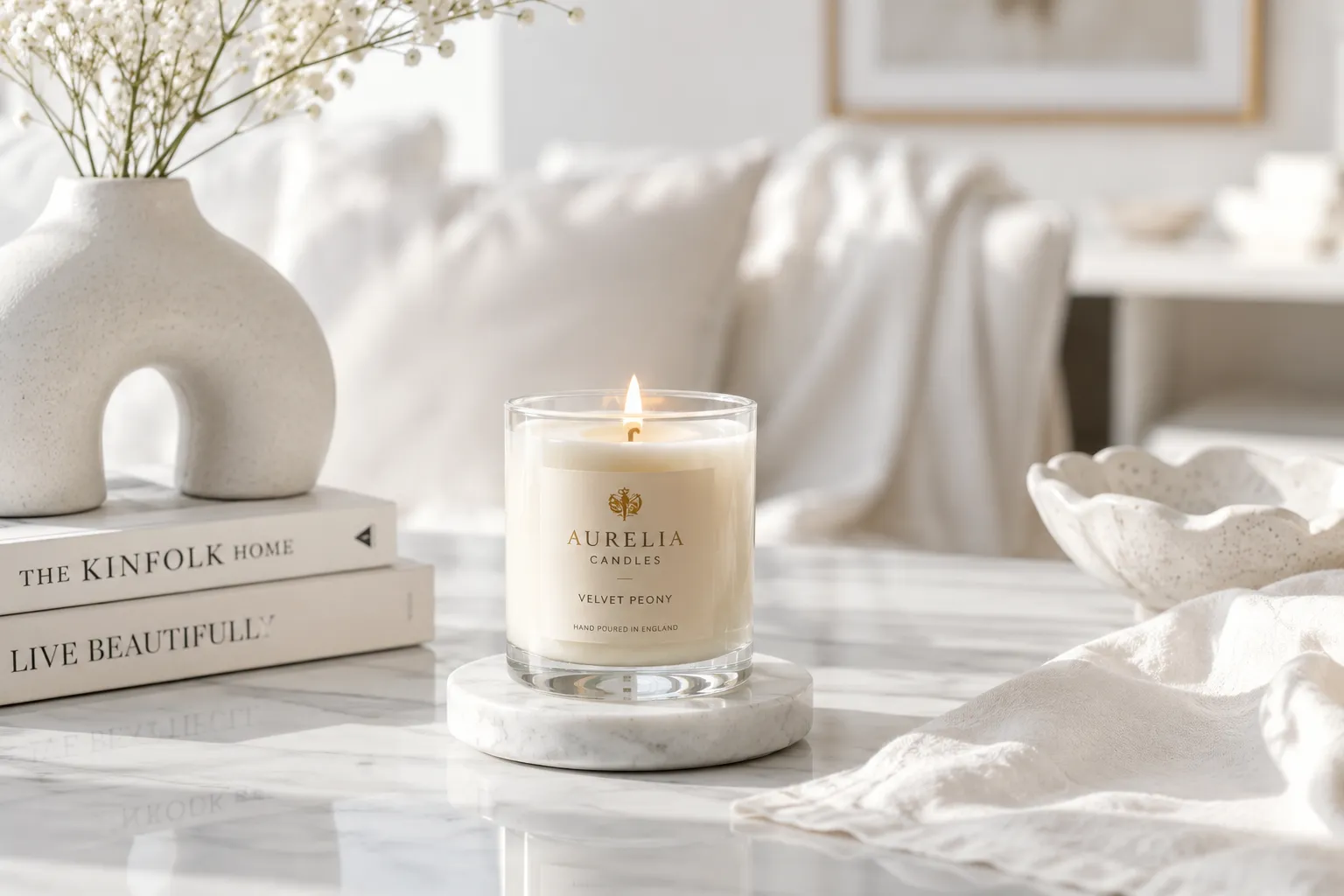
Most people lose 30 to 40 percent of their candle's life without realizing it. A 10-ounce soy candle that should deliver 65 hours will deliver 40 if it is treated carelessly — and that gap is not product failure, it is burn and storage habits. This guide is about longevity and value specifically: how to get every hour you paid for out of a candle, from the way you choose it to the way you store it between burns. For the step-by-step technique of the burn itself, we will point you to our dedicated guide so we do not just repeat it here.
A quality candle is an investment, and the habits that protect that investment are simple — they just have to be applied consistently. Everything below is actionable from your next burn, and none of it takes more than a few extra seconds.
Start with a candle that's built to last
Longevity begins before the first light. Natural waxes burn cooler and slower than paraffin, so a soy or coconut-blend candle typically delivers 30 to 50 percent more burn time than a paraffin candle of the same size — the single biggest lever on how long a candle lasts. A properly sized wick matters just as much: a wick matched to the vessel burns evenly instead of racing through the wax. When buying, check the stated burn time and wax type. Our comparison of soy vs. paraffin candles explains why the wax choice makes such a difference to lifespan.
Let new candles cure before the first burn
Here is a longevity factor most people never hear about: cure time. Soy and natural-wax candles need 48 to 72 hours after pouring for the fragrance oil to fully bond with the wax. Burning a freshly poured candle before it has cured wastes fragrance and can lead to a weaker scent for the whole life of the candle. If you have just received new candles, give them a few days resting with the lid on before that important first burn.
Master the burn (the technique that prevents 40% waste)
The mechanics of burning are where most candle life is lost or saved — a full first melt pool, a wick trimmed to about ¼ inch before every burn, sessions kept between two and four hours, and no drafts. Rather than repeat all of it here, we have written a complete, step-by-step walkthrough: read how to burn a candle properly for the full method, including how to rescue a candle that has already tunneled. Get those habits right and you protect the bulk of your candle's lifespan automatically.
Store candles properly between burns
Storage is the quiet longevity factor. Always replace the lid once the wax has fully cooled — the lid protects the fragrance oils from evaporating between burns, which is a genuine source of scent loss in candles that sit uncovered for weeks. It also keeps dust and debris out of the wax, which can contaminate the wick. Store candles in a cool, dry place away from sunlight; UV light breaks down fragrance compounds and can discolor the wax. In warm climates like Florida, an air-conditioned room is ideal, and a closet or cupboard away from windows is perfect. Never store candles near a window or on a surface that gets direct afternoon sun.
Let the candle cool fully before relighting
The wax should be completely solid and at room temperature before you relight — usually one to two hours. Relighting while the wax is still warm or partially liquid prevents a clean melt pool from forming, because the pool dynamics are already compromised, and it exposes the fragrance oils to extended heat that degrades them. If you want to burn again the same evening, wait until the surface has fully resolidified so each burn starts fresh.
Know exactly when to stop
Stop burning a candle when about ¼ inch (roughly 6 mm) of wax remains at the bottom. Burning past that point overheats the container — glass can crack, and the heat transmitted to the surface underneath rises significantly. A vessel too hot to touch comfortably should be extinguished. Most makers print this guidance on the label. Stopping at the right point is a safety practice first, but it also means you never risk the vessel you may want to reuse or keep.
The value math
Put together, these habits change the economics of every candle you buy. A candle that tunnels and sits uncovered might give you 40 of its 65 hours; the same candle cured, burned to a full pool, trimmed, and lidded gives you all 65 — a 60 percent increase in value for a few seconds of care per burn. Over a year of candles, that is real money and noticeably better fragrance. Treating your candles well from the first burn to the last is one of those small habits that produces a disproportionate return.
Frequently Asked Questions
Do soy candles really last longer than paraffin?+
Yes. Soy wax burns at a lower temperature and more slowly, so a soy candle typically delivers 30 to 50 percent more burn time than a paraffin candle of the same size — a 10-ounce soy candle often gives 55 to 70 hours versus 35 to 45 for paraffin. Choosing natural wax is the biggest single decision for longevity.
What is cure time and does it really matter?+
Cure time is the 48 to 72 hours a natural-wax candle needs after pouring for the fragrance oil to fully bond with the wax. Burning before it cures results in a weaker scent for the life of the candle. If your candles are freshly made, rest them lidded for a few days before the first burn.
Does keeping the lid on between burns really make a difference?+
Yes, particularly for fragrance. Fragrance oils are volatile and evaporate at room temperature over time, so a candle left uncovered for three weeks will have noticeably less scent than the same candle kept lidded. The lid also keeps out dust that can foul the wick. It takes two seconds and makes a real difference over the candle's life.
How should I store candles to make them last?+
Store them with the lid on in a cool, dry place away from direct sunlight and heat. UV light degrades fragrance and can discolor wax. In warm climates, an air-conditioned closet or drawer away from windows is ideal, and avoid humid rooms like the bathroom. Stored well, most quality candles keep for 12 to 18 months.
When should I stop burning a candle?+
Stop when about ¼ inch (6 mm) of wax remains at the bottom. Burning past that overheats the container — glass can crack and the surface underneath gets hot. It is a safety practice, and it also protects a vessel you may want to keep or repurpose.