Education
The Benefits of Handcrafted Candles Compared to Mass-Produced Candles
July 8, 2026 · 8 min read
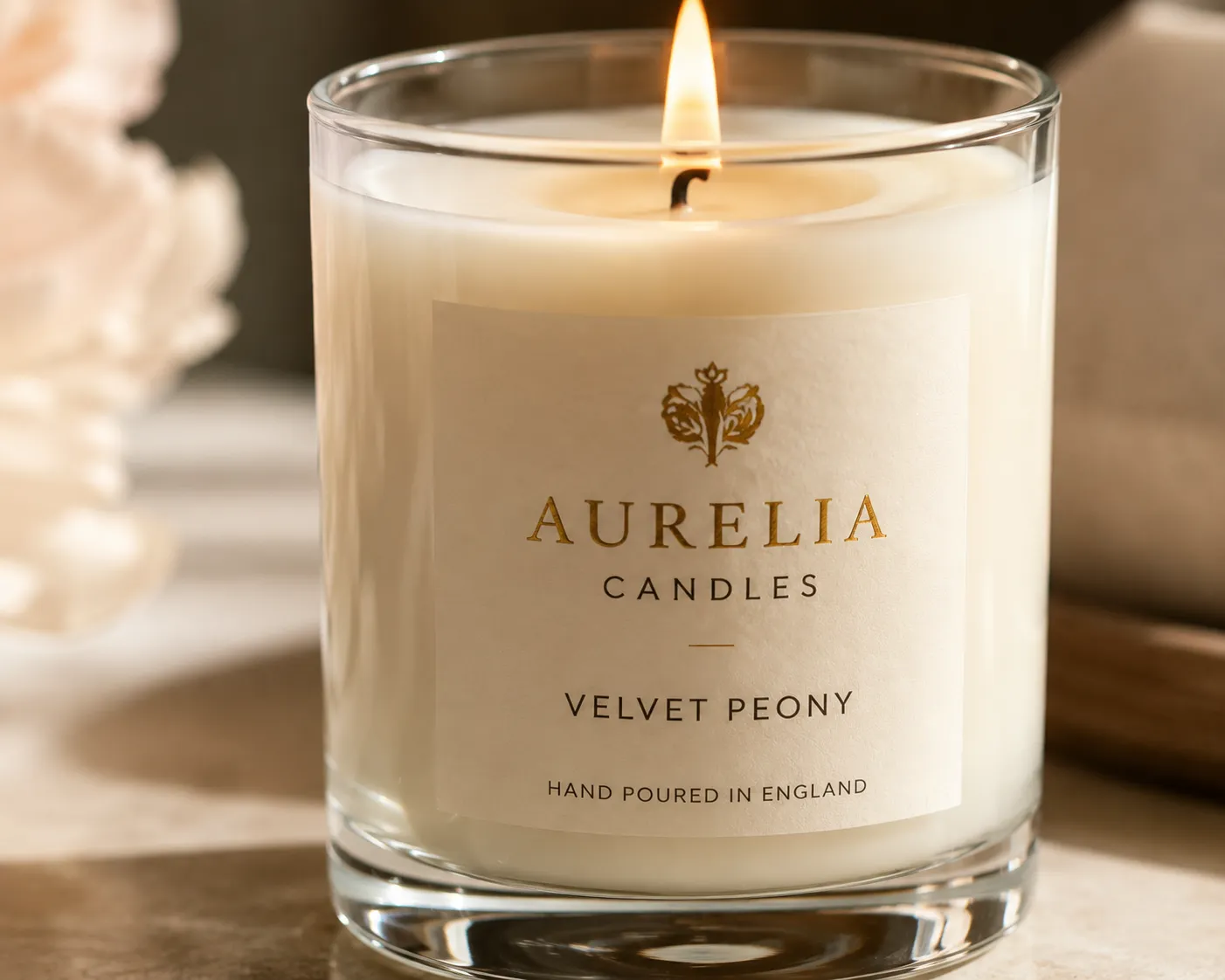
Pick up a mass-produced candle from a large retailer and a handcrafted candle from an independent maker and hold them side by side. The price difference is obvious immediately. What is less obvious is everything behind that price difference — the wax quality, the fragrance concentration, the wick selection, the testing, and the decisions made at every step. This article breaks down the real differences between handcrafted and mass-produced candles and where those differences show up in actual performance and daily use.
The candle industry has two very distinct segments. At one end, multinational manufacturers produce millions of candles per year using automated lines, standardized formulas, and the cheapest ingredients that still pass basic checks. At the other, small-batch makers pour by hand in small quantities, test every batch, and make ingredient decisions based on quality rather than cost. Most buyers have only experienced the first category and assume the second is just more expensive packaging. It is not.
What handcrafted actually means
A handcrafted candle is poured by hand in small batches — typically 12 to 100 candles at a time — by a maker who controls every part of the process: selecting the wax, blending the fragrance, sizing the wick to the specific vessel, testing the burn, and adjusting formulas based on results. The maker's hands are on every candle. By contrast, mass-produced candles are made on automated lines where the primary constraints are speed and cost, ingredients are selected by procurement teams optimizing for margin, and quality control happens through statistical sampling rather than individual inspection. These are structural differences that produce predictable differences in the final product. Aurelia sits firmly in the first category — hand-poured in small batches in Coral Springs, Florida (read our story).
Key advantages of handcrafted candles
The advantages show up in five areas that directly affect your experience.
Better ingredients, clearly disclosed
Handcrafted makers almost universally use natural waxes — soy, coconut, beeswax, or blends — because they care about the product and their customers' health. They use high-quality, often phthalate-free fragrance oils at 8 to 12 percent loads, and cotton or wood wicks sized specifically for the vessel. And they tell you all of this on the label, because transparency is part of the brand. Mass-produced candles rarely disclose ingredients in full, and when they do, paraffin wax and synthetic blends are common. (For the wax debate itself, see soy vs. paraffin candles.)
Higher fragrance load and better scent throw
Fragrance load — the percentage of fragrance oil relative to wax — has the single biggest impact on how well a candle scents a room. Handcrafted candles typically use 8 to 12 percent; mass-produced candles commonly use 3 to 6 percent because fragrance oil is one of the most expensive inputs and the quickest way to cut cost. This is why burning a supermarket candle often produces a scent you can barely detect, while a quality handcrafted candle fills a room.
Proper wick sizing and burn performance
One of the most common failures in mass-produced candles is incorrect wick sizing. A wick too small for the vessel causes tunneling — wasting 30 to 40 percent of the candle — while a wick too large causes soot, overheating, and a dangerously large flame. Handcrafted makers burn-test specific wick sizes in specific vessels with specific wax-and-fragrance combinations, which is why their candles perform correctly from the first burn to the last. Our guide on how to burn a candle properly shows how to get the most from a well-made candle.
Small-batch quality control
When a handcrafted maker pours 50 candles, they look at every one, smell every one, and catch the batch that came out wrong before it is ever sold. When a factory produces 10,000, quality control is based on sampling — a percentage are checked and the rest ship. This is not negligence; it is the mathematics of scale. But it means the handcrafted candle you buy has been held to a higher standard, because the process makes individual inspection possible.
Supporting independent makers and local economies
Every purchase from a small-batch maker goes to an individual or small team rather than a corporate supply chain. Many handcrafted makers source ingredients locally when possible and contribute to local economies. For buyers who care where their money goes, handcrafted candles are a meaningful choice — the person who made your candle is often the same person who designed the fragrance and answers your questions.
Where mass-produced candles have an advantage
Cost is the obvious one, and it is real. A mass-produced candle at $10 to $15 burns, smells reasonable, and is widely available. For buyers who use candles infrequently or are not invested in fragrance quality, they meet a basic need at an accessible price. Consistency is another advantage of scale — the same factory product performs identically every time, whereas handcrafted candles can have small batch-to-batch variation, though most professional makers work hard to minimize it.
How to evaluate a handcrafted candle
Not every candle with a handmade label is genuinely artisan quality. Look for full ingredient disclosure, listed burn times, and clear fragrance descriptions — a maker who uses quality ingredients will tell you exactly what they are. Check for cotton or wood wicks, a reliable proxy for overall quality, and read reviews that mention burn performance specifically. If you want to compare the markers of a genuinely premium candle, our guide to what makes a luxury candle worth it goes deeper, and you can see disclosed-ingredient candles in our jar candle collection.
Frequently Asked Questions
How can I tell if a candle is genuinely handcrafted?+
Look for small batch sizes, named makers or small teams, full ingredient disclosure on the label, and hand-numbered or signed products. Genuine makers talk about their process in detail because it is central to their brand. Be skeptical of large commercial brands using "handcrafted" as a marketing label without evidence.
Are handcrafted candles really worth the higher price?+
For daily candle users who care about fragrance and air quality, yes — the longer burn time, higher fragrance load, cleaner burn, and better ingredients all translate to a measurably better experience. For occasional users who light a candle once a week as background ambiance, the practical difference is smaller. It depends on how central candles are to your home experience.
Do handcrafted candles smell better than store-bought ones?+
In most comparisons, yes — primarily because of higher fragrance loads and better-quality oils. A handcrafted candle at 10 percent load with complex, layered fragrance will fill a room more effectively and smell more nuanced than a mass-produced candle at 4 percent with a simple synthetic scent. The difference is most obvious burning both in the same room within a few days.
Do handcrafted candles have a longer shelf life?+
Most natural-wax handcrafted candles keep for 12 to 18 months when stored properly. Some paraffin formulations are more stable over time, but since most people use their candles within a year, the difference is negligible. Store all candles in a cool, dry place away from light, with the lid on when not in use.
Can I tell the wax type by how a candle looks?+
Not reliably. Soy often shows "frosting" — a white, powdery surface pattern that is normal, not a defect. Coconut wax tends to look smooth and creamy, beeswax is honey-toned, and paraffin is typically very white and opaque. These are general guidelines, not definitive tests, since blends vary. The only reliable way to know is to read the label or ask the maker.